


Classification: Q195A, Q215A, Q235A, Q345
Specification: 8mm 12mm 16mm, Customized
Origin: China
Transport Package: Standard Export Package or Customized
Steel Pipe
Why Choose Us?
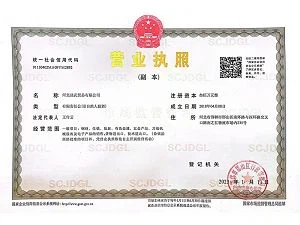
Establish in 2018, Hebei Dingwu Trading Co, Ltd is located in Handan Zhijiang Steel market. We are one of the biggest steel product suppliers in Handan. Our usual inventory is about 10,000 tons. We specialize in producing Galvanized Rectangular Pipe, Round Steel Pipe, and other Steel Pipe.
Wide Product Range
Our main products are carbon steel plate, pressure vessel steel plate, boiler steel plate, checkered plate, corten steel plate, low temperature resistant low alloy plate, bridge plate, etc.
Quality Assurance
Our company have passed the dual guarantee of ISO9001:2000 quality management system certification and ISO14001:2004 quality management system certification.
Products Sell Well
We have good sales markets in North America, South America, Europe, Southeast Asia, the Middle East, Africa and other regions.
Quick Response
Our commitment is to respond to your inquiries within 24 hours, ensuring that you receive the information and support you require in a timely manner.
-
![Round Steel Pipe]()
-
![Galvanized Rectangular Pipe]() Galvanized Rectangular PipeClassification: Q195A, Q215A, Q235A, Q345read more
Galvanized Rectangular PipeClassification: Q195A, Q215A, Q235A, Q345read more
Specification: 20X20mm-500X500mm / 1.0-30.0mm
Origin: China
Transport Package: Standard Export Package or Customized

What is Steel Pipe
Steel pipes are cylindrical tubes made from steel that are used many ways in manufacturing and infrastructure. They're the most utilized product made by the the steel industry. The primary use of pipe is in the transport of liquid or gas underground-including oil, gas, and water. If you want to know the specifications and prices of Steel Pipe, please contact us!
Advantage of Steel Pipe
Strong Corrosion Resistance
One of the biggest issues of any type of metal is corrosion, as it damages and weakens the surface, causing parts and sections to break after a certain period of time. Rust is caused by oxidization, which leaves marks that stain and damage the steel. This is why it is best to have a steel surface that is protected against these elements and has increased strength and resistance.
Using our steel pipes provides you with these benefits, as the molten zinc layer ensures that your pipes would not be easily corroded, and have an extra later that can keep it safe from different kinds of wear and tear. This is beneficial for industries that handle volatile substances such as chemicals and gases, as they can easily cause damage to solid materials that do not have treated surfaces.
Long Lifespan
With an extra protective layer of molten zinc present on the surface, our steel pipes have a longer lifespan compared to conventional piping. This means that they can last for a number of years before needing to be replaced, ensuring that various substances have a proper channel where they can be moved to different locations. Steel is designed to last for a long period of time, which is why using our steel pipes would be the best option for a wide variety of industries.
Cost-effective
Steel maintenance can be very costly, as industries regularly conduct checks and repairs in order to make sure that their equipment and facilities are operating effectively. Using conventional steel pipes tend to wear out more quickly, which means that you would need to repair and replace the pipes more often.
Compared to conventional steel pipes, our steel pipes have a lifespan of 50 years, compared to 20 to 25 years by using the former. This can cause you to spend more on buying replacement parts. By using our steel pipes, you would have a set of pipes that can last longer, which means that you would be able to lessen maintenance and repair costs.
Quick Installation
Along with having a strong protective surface that increases resistance to wear and tear, our steel pipes are easy to install. This is due to the fact that these pipes are ready-made, which means that you would no longer need to prepare or paint the surface before installing these sections. This drastically lessens the construction time by a number of minutes or hours, making sure you would be able to finish projects at a much faster rate. If you have a tight project deadline for your construction project, using our steel pipes are the most efficient option.
Durable
Mainly there are two main uses of steel pipe in construction, structural as well as transportation. When it comes to structural purposes, the steel pipes are kept deep underground before laying the foundation to enhance their stability. If you notice any disruption in your area, then chances are there that the construction workers are putting steel pipes.
When it comes to transportation, steel pipes are used for projects like oil, gas, sewage, and others. Steel pipes support hazardous chemical flow. In many cases, the steel pipes are also used as bollards since it helps protect people from various vehicle ramming accidents. These applications demand material durability. Due to this reason, the demand for steel pipes is increasing. Most industrial piping companies opt for steel pipes for this reason.
Corrosion Resistance
Corrosion is one of the common problems that companies face in the construction industry. After all, corrosion damages the structural integrity of the projects. However, unlike other pipes, steel pipes are perfect to work with since it is resistant to corrosion.
Plastic pipes that have experienced wear and tear might no longer be the best choice for the application. Zinc coating is applied on the steel pipes, which makes them corrosion resistant.
Type of Steel Pipe


Carbon Steel Pipes
When carbon is added to iron, steel is created. A recent study claims, carbon is the best additive to any ferrous material. However, you can find good alloying elements in piping products. Carbon pipes include 1.65 manganese, 0.60 percent copper, and 0.60 percent silicon. Pipe pile suppliers prefer carbon steel pipe for most of the construction work.
Carbon steel is the most common type of steel used in pipes. Its chemical makeup has relatively low amounts of alloying materials, which makes it easy to fabricate with a beam machine and helps keep costs down. Generally used in the automotive, marine, and oil and gas industries, carbon steel pipe offers impressive strength under loading.
Alloyed Steel Pipes
Alloy steel pipes have the elements like nickel, molybdenum, manganese, silicon, and copper. Generally, high alloy steels are mostly preferred in the piping industry. A combination of proper heat treating helps to yield a robust ductile pipe.
Alloyed steel pipe is ideal for high loadings and unstable conditions, making it a popular option for oil and gas, petro-chemical, and refining operations.
Stainless Steel
Stainless steel includes chromium, manganese, nickel, silicon, and molybdenum. These alloys bind altogether to interact with oxygen to form a thin yet strong film. It prevents the steel from further corrosion.
Generally, stainless steel pipe is used in industries where corrosion protection is of utmost importance. It is suited for providing extreme service and impacting resistance. On top of that, its aesthetic appeal is the cherry on the cake top.
Stainless steel pipe is universally used, therefore, in the marine industry and by companies that produce medicine, purify drinking water, and have similar applications where a corrosion-free piping system is required.
Galvanized Steel
Similar to stainless steel, galvanized steel is alloyed with a corrosion-resistant metal, this time zinc. Though zinc helps galvanized steel pipe resist corrosion, its performance isn't as strong as stainless steel, and the pipe may, in fact, corrode over time. Plus, its lifespan is only around 50 years. Though once popular in residential plumbing systems, galvanized steel pipe is primarily used for industrial piping systems today.
Most Common Uses for Steel Pipe
01/
The Construction Industry
Since steel pipe is both durable and lightweight, it's commonly utilized by the construction industry in commercial and residential buildings, as well as in industry sectors including power, water, sewer, manufacturing and more. Steel pipe is also a top choice in the construction industry because it's resistant to rust and corrosion, meaning that it won't require frequent repairs or replacement. This is especially important in water, plumbing and electrical systems, since leaks or breaks in the steel pipe can be both dangerous and costly.
02/
The Oil and Gas Industry
Steel pipe is ideal for use in extreme conditions such as corrosive environments, low and high temperatures and high pressure. For this reason, steel pipe is prevalent in the oil and gas industry, especially in pipes like gathering lines (the tubes that transport oil or gas from the producing area to a storage facility or larger main pipeline), and pipe trunk lines (the welded, large-diameter steel pipes that are used to transport natural gas over long distances). Because of steel pipe's durability and versatility, it can stand up to the unique needs of the oil and gas industry.
03/
The Shipbuilding Industry
The strength of steel makes it a great option for ship building since it withstands vibrations, shock and high pressure. Unlike other metals, steel with bend rather than break in extreme conditions, which means it's less likely to crack or leak. In the shipbuilding industry, steel pipe is designed and manufactured for the boilers, super heaters and pressure systems of a ship.
04/
The Textile Industry
The versatility of steel pipe makes it a popular choice in the textile industry for the production of bale openers, mixers, carding machines, spinning machines, winding machines and texturing machines.
05/
The Agricultural Industry
Steel pipe is frequently used in agricultural fittings due to its durability and ability to withstand pressure. Steel is also sometimes mixed with carbon to create a more lightweight yet sturdy agricultural fitting. Farmers and other agricultural organizations use steel pipe in dozens of applications, including tractor engines, grain elevators, field drainage systems, fertilizer applications, vent pipe systems and more.
06/
Industrial Applications
Steel pipe is a common choice in manufacturing facilities, warehouses and other industrial locations because it's rust-proof and doesn't corrode, affording facilities a lifetime of dependable use. Round steel tubing is often used to transport liquids or gas from one area of an industrial facility to another, as well as in the construction of industry structures itself.
How to Select the Right Pipe Material for Fluid Handling Operations
Material Being Transported
Corrosive liquids include substances such as crude oil, ammonia, seawater and other acidic liquids that have a heavy chemical makeup. These liquids require a corrosion-resistant pipe material such as a plastic CPVC pipe or lined pipe. Since most liquids are at least slightly corrosive, you will need a corrosion-resistant material for the pipes that will transport it. Meanwhile, non-corrosive fluids or gases like lube oil, air and nitrogen are safe to transport via carbon steel or metal pipelining.
The type of liquid or gas your pipe system transports plays a significant role in choosing fluid handling pipe material. Some pipe materials are better suited for non-corrosive liquids, like oils or standard wastewater. More corrosive liquids, like acid or peroxide, require a pipe with an interior that can hold up to the abrasiveness of these corrosive materials. Corrosive materials are common in many industrial cleaning solutions, as well as in chemical manufacturing and handling. Remember, despite a plastic or metal pipe material's durability and corrosion resistance, chemicals, acids and saltwater are much more abrasive than standard water or oil. Always keep the liquid you are transporting in mind when selecting a pipe material.
Temperature of Liquid Passing Through
The next thing to consider is the temperature of the liquid in your fluid handling system. If you're transporting high-temperature liquids, you'll need to be sure your system consists of high-temperature pipe materials. Certain types of plastic piping may not be ideal for handling high temperatures, while others may be designed to handle fluids no matter how hot they are. Metal pipe materials are typically wise choices for high-temperature liquids, although some types may become too hot to the touch.
If you are handling extremely high or low-temperature fluid - including cryogenic liquids- make sure your pipe consists of material intended for extreme temperatures. Otherwise, you risk damaging or corroding your pipes and contaminating the liquids inside of them. In some cases, extreme temperatures can break your piping entirely, resulting in expensive repairs, damaged product and hazardous workplace conditions. Metal pipe material is usually suitable for extremely hot liquids, although you and your employees should exercise caution when working with them. Depending on the temperature, aluminum is often used to transport cryogenic liquids.
Your piping material must support these temperatures as well as maintain them throughout the liquid transfer process. In many applications - including laboratories, food processing, medical facilities and plants that work with hazardous chemicals - precise temperatures are required for all liquids and vapors used.
The Pressure of the Liquid Handling Process
What is the pressure of the fluids your system is handling? If the pressure of these service fluids is very high, you will need piping material that is either high-strength, higher thickness or designed to resist high-pressure fluids. The average pressure that most manufacturing facilities' piping must be able to handle is around 150 pounds per square inch gauge (psig). If your facility is working with liquids of higher pressures than this, you may have to request a piping material that is specially designed to handle high-pressure fluids.
Various liquids and gases create different pressures inside of your fluid handling pipes. For example, cryogenic fluids are known for creating very high-pressure environments during the transfer process. Many external factors can impact this pressure, too, including the temperature and elevation of your piping.
Service Life of the Fluid Handling System
A major component of effective piping design and material selection is asking how long you expect your fluid handling system to last. If you know you'll likely have to replace the system in five to 10 years due to another reason, such as relocation, you don't need to invest in a very long-lasting piping material. This may also affect how much money you're willing to spend on the system, which will, in turn, impact the type of material you should choose.
If, on the other hand, you expect this system to last for 10 or more years, you should invest in the most durable type of piping material.
For example, temporary worksites or processing plants that do not typically deal in fluid handling may not need as intricate or durable a system as a permanent plant that transfers fluids daily. You should also factor in how often your business will use your fluid handling system. Of course, there are some conditions - such as extremely corrosive chemicals, hazardous materials or fluids that need temperature regulation - that will require certain pipe materials, regardless of the desired service life of your system. If no special circumstances apply to your business, use this information to help you gauge the amount you should invest in your pipes, as well as that type and quality of material used.
Ease of Maintenance
Just like flooring, countertops and other solid surfaces, certain types of piping material are easier to clean than others. Ask yourself how often you can clean your fluid handling system. Be realistic about the frequency, as it is can become a very time-consuming task depending on the size and intricacy of your system. If you won't be able to clean it very often, having a low-maintenance piping material should be a priority for your facility.
Exposure to External Elements
External elements exist indoors and outdoors. Indoors, external corrosion and other issues can arise from corrosive fumes in the air, humid conditions and mold. Outside poses several threats for external corrosion and damage, including the salt in seawater, inclement weather, microorganisms, plant overgrowth and more.
If any part of your fluid handling system is exposed outdoors, you need piping material that can withstand environmental elements. External elements that could lead to the deterioration or corrosion of your fluid handling piping include UV light, corrosive soil, precipitation and other atmospheric conditions.
Certifications

Frequently Asked Questions
Q: What is difference between steel pipe and tube?
A: Tubes are used in applications such as medical devices that require a precise outside diameter. The outside diameter is important since it will indicate how much it can hold as a stability factor. Pipes are used for transporting gasses or liquids making it important to know the capacity.
Q: What grade is steel pipe?
A: Common grades of alloy steel pipes include ASTM A335 P5, P9, P11, P22, and P91. These alloy steel grades are used in various industries for their excellent strength and corrosion resistance properties.
Q: Which is better PVC or steel pipe?
A: The mechanical strength and rigidity of stainless steel will outperform that of semi-flexible PVC plastic. The physical toughness of stainless steel is measured to withstand greater stresses over PVC, therefore a greater force will be required to bend and break stainless steel versus PVC pipe.
Q: What are the advantages of steel pipe?
A: Using stainless steel pipes gives you a durable product that will last for decades. Steel is a reliable material that is easy to maintain and install. Stainless steel is very low-maintenance, and because of its corrosion-resistant properties, it's unlikely it will need to be replaced for decades.
Q: What material is steel pipe?
A: The main raw material used in steel pipe production is steel, which is made up primarily of iron. However, steel pipe commonly includes other elements such as aluminum, manganese, titanium, tungsten, vanadium and zirconium. Similarly, finishing materials are sometimes applied to help protect the pipe.
Q: What is standard steel pipe?
A: Standard pipe is the material of choice in such diverse applications as carrying gases, water, oil and other fluids, water well piping, plumbing and heating systems, refrigeration piping, fire protection systems, fencing, railings and many others. Products are produced to meet various specifications including ASTM A53.
Q: Is steel pipe a metal?
A: Steel pipes are some of the more widely used metal pipes. The most common grade of steel used for pipes is grade 304, but many others are also used. They're lightweight, non-magnetic, can be hardened using cold working methods, and have strong resistance to many environmental and chemical factors.
Q: Is steel pipe good for plumbing?
A: However, while different piping materials may also be ideal, there are several advantages of the steel pipe in plumbing that make it the better choice for any kind of water supply system. Compared to other materials, steel pipes are far more durable and long-lasting.
Q: What is the most common type of steel pipe?
A: Carbon steel is the most common type of steel used in pipes. Its chemical makeup has relatively low amounts of alloying materials, which makes it easy to fabricate with a beam machine and helps keep costs down.
Q: Are steel pipes safe?
A: Galvanized steel will eventually start to corrode and can pose a hazard for drinking water, which makes it unsafe for drinking water in the long run. The problem isn't the zinc coating but lead and cadmium, two heavy metals that can exist in the zinc because of the galvanizing process.
Q: How strong is steel pipe?
A: As riveted-pipe fabrication methods improved and higher strength steels were developed, design stresses progressed with a 4-to-l safety factor of tensile strength, increasing from 10,000 (68.95) to 12,500 (86.18), to 13,750 (94.8), and finally to 15,000 psi (103.42).
Q: Is steel pipe still used?
A: However, they are not as commonly used today for several reasons: Corrosion: Over time, galvanized steel pipes can corrode and rust, which can lead to leaks and other plumbing problems. This can be especially problematic in areas with hard water or acidic water, as these conditions can accelerate the corrosion process.
Q: Is steel pipe durable?
A: Enduring Strength- The steel pipe's durability is one of its most admired traits. Resistant to rust, corrosion and degradation, these pipes can withstand harsh weather conditions and environmental factors.
Q: Is steel pipe easy to use?
A: They can also be easily modified on-site, making them easy to install. Any maintenance or modifications that are needed after installation can be done quickly and easily because steel is a very easy metal to work with in that manner. Steel pipe is considerably stronger than other types of metal pipes.
Q: What are the requirements for steel pipe?
A: One of the quality requirements for stainless steel pipes is how good the quality is and whether it is easy to rust. Experiments have proved that 304 stainless steel pipe has excellent corrosion resistance and good resistance to intergranular corrosion.
We're professional steel pipe manufacturers in China, specialized in providing high quality customized service. We warmly welcome you to wholesale discount steel pipe from our factory. Quality products and low price are available.
Steel Channel Beam, Steel Pipe, Boiler Plate Of Steel