


Classification: Cold Drawn / Hot Rolled
Specification: 6*10mm~60*100mm / 6*6mm~100*100mm
Origin: China
Transport Package: Standard Export Package or Customized
Structure Steel
Why Choose Us?
Establish in 2018, Hebei Dingwu Trading Co, Ltd is located in Handan Zhijiang Steel market. We are one of the biggest steel product suppliers in Handan. Our usual inventory is about 10,000 tons. We specialize in producing Steel Rail Scrap, Steel Channel Beam, H-shaped Steel, Angel Steel, Round Steel Q235B, Square Steel, and other Structure Steel.
Wide Product Range
Our main products are carbon steel plate, pressure vessel steel plate, boiler steel plate, checkered plate, corten steel plate, low temperature resistant low alloy plate, bridge plate, etc.
Quality Assurance
Our company have passed the dual guarantee of ISO9001:2000 quality management system certification and ISO14001:2004 quality management system certification.
Products Sell Well
We have good sales markets in North America, South America, Europe, Southeast Asia, the Middle East, Africa and other regions.
Quick Response
Our commitment is to respond to your inquiries within 24 hours, ensuring that you receive the information and support you require in a timely manner.
-
![Square Steel]()
-
![Round Steel Q235B]() Round Steel Q235BClassification: Hot Rolledread more
Round Steel Q235BClassification: Hot Rolledread more
Specification: Q345 (8mm-20mm 20mm-300mm other / 1-12m / customized)
Origin: China
Transport Package: Standard Export Package or Customized -
![Angel Steel]() Angel SteelClassification: Hot Rolledread more
Angel SteelClassification: Hot Rolledread more
Specification: 3mm-2000mm or Customized
Origin: China
Transport Package: Standard Export Package or Customized -
![H-shaped Steel]() H-shaped SteelClassification: Hot rolled / Cold rolledread more
H-shaped SteelClassification: Hot rolled / Cold rolledread more
Specification: Q235B SM490 SS400 Q345B G300 G350 S275JR S355JR
Origin: China
Transport Package: Standard Export Package or Customized -
![Steel Channel Beam]() Steel Channel BeamClassification: Hot Rolled, Cold Rolledread more
Steel Channel BeamClassification: Hot Rolled, Cold Rolledread more
Specification: S235jr S355jr A36 Ss400 Q235B Q345b St52
Origin: China
Transport Package: Standard Export Package or Customized -
![Steel Rail Scrap]() Steel Rail ScrapClassification: Heat Treat Railread more
Steel Rail ScrapClassification: Heat Treat Railread more
Specification: R260 / R350HT
Origin: China
Transport Package: Standard Export Package or Customized


What is Structure Steel
Structural steel is a category of steel used for making construction materials in a variety of shapes. Many structural steel shapes take the form of an elongated beam having a profile of a specific cross section. If you want to know the specifications and prices of Structure Steel, please contact us!
Advantage of Structure Steel
01/
Design Flexibility
Most of the unique building designs seen today aren't possible without steel. Structural steel's bendable, moldable, and measurable nature means unique and functional designs for buildings and mega-structures that need sturdy support frames can be built soundly. Its strength allows slender designs not possible with wood or concrete.
Unlike similar materials, one significant advantage of working with steel is that it can be curved or bent into shapes to meet architectural specifications. Designers can express creativity with steel instead of bricks, glass, or stone. These alternative materials can be worked into steel designs as I-Beams can be fitted to almost any material design.
02/
Cost Effectiveness
Steel provides significant cost savings compared to other materials. The ROI for structural steel is associated with its strength and reliability since it won't need to be replaced for years. You save on shorter construction timelines and building materials since steel is lighter than alternative types of framing.
Another benefit of steel is that prices remain affordable for businesses of all sizes and are much lower than twenty years ago. The reduced weight of structural steel helps reduce shipping costs.
03/
Strength, Safety, and Durability
Steel is frequently used in commercial buildings due to its ability to withstand harsh weather. Steel is more robust than most building materials, including concrete. With steel, you get a longer lifespan that often includes a warranty. Thanks to the durability of steel, you can worry less about maintenance and replacement and focus on other business goals.
As one of the toughest building materials, steel is non-combustible and won't ignite or spread flames. When adequately coated, it is also rust and corrosion-resistant. Steel does not mold or mildew and resists splintering and shattering during extreme movement. When built to code, a steel structure protects occupants and contents from high winds, fire, heavy snow, and ice during conditions that could destroy a building constructed of wood or concrete.
04/
Future Adaptability
Steel buildings and frames are highly adaptable. They are easily expandable upwards or on the side. Since steel is solid for its weight, it can support the additional weight of new stories. The structure's overall weight is less than one built with concrete or wood, so the foundation experiences less stress from the additional floors.
Along with expanding the size of a building, the interior of a steel frame building is easily reconfigurable.
05/
Sustainability
As part of the solution to a greener environment, structural steel is one of the most sustainable materials in the world. Steel has a low carbon effect and is recyclable, making it a popular choice for businesses going green because it can be used repeatedly without losing quality. Producing steel has become environmentally safe due to its high recycling rate and emphasis on reducing waste.
The increased use of steel for flooring and framing means better forest preservation. Almost all the materials can be recycled and reused when a steel building needs to be rebuilt. Steel is also great at blocking out environmental pollutants, which results in a healthier workplace.
06/
Modifiable
Structural steel buildings can be modified in the future for new applications, loading conditions, vertical expansions and changes in owner desires in ways that other framing systems can never accomplish.
Existing steel columns and beams can be strengthened through the attachment of steel plate to the flanges or web of sections allowing for greater loads. New stairways can be added to existing steel framed buildings by removing a portion of the floor decking, bracing a single bay and adding the desired stair structure. These types of changes can be accomplished with little disruption while the building is still occupied.
It is not unusual for a structural steel building to have additional floors added even years after the building was originally completed.
Type of Structure Steel


Steel Rebar
Also known as reinforcing steel, rebar is a mesh of steel wires or a steel bar. This type of steel is used in masonry structures and reinforced concrete to provide extra strength to withstand load pressure. Rebar's surface is often patterned to enhance the quality of the bond made with concrete.
Rebar is popularly used in construction to add positive properties to concrete. For instance, despite being strong in compression, concrete is usually weak in tension. Therefore, by carefully casting rebar into the concrete, the overall tensile strength increases, thus making it possible to carry heavy tensile loads.
Steel is usually preferred as rebar when dealing with concrete due to their almost similar thermal expansion coefficient, which means the structure won't buckle or weaken when the overall temperature levels increase.
Alloy Steel
Alloy steels are made when carbon steel is combined with one or more alloying elements like manganese, nickel, copper, titanium, aluminum, and chromium. The alloying elements are usually added to produce favorable properties that increase the construction value of carbon steel.
When producing alloy steel, the elements are usually added in varied combinations or proportions depending on the nature of construction. Some alloys help increase the hardness, corrosion resistance, overall strength, ductility, and weldability of steel.
For construction projects, alloy steels are mostly preferred for their increased corrosion resistance and hardenability. Also, alloy steels are perfectly capable of retaining their overall strength and hardness over time.
Carbon Steel
As the name suggests, carbon steel is a type of steel with a higher carbon concentration than other steel types. The carbon content in this type of steel can reach up to 2.5%, which significantly increases the steel's strength, therefore making it ideal for heavy constructions.
Stainless Steel
Stainless steel is a steel alloy with increased corrosion and weather resistance compared to alloy steel or carbon steel. Some of the common ingredients used in stainless steel include chromium, molybdenum, or nickel.
The high chromium content gives stainless steel its impressive corrosion-resisting properties. This is because the chromium allows for chromium oxide formation, a rough film that enhances steel's corrosion-resisting properties.
Weathering Steel
This unique type of steel contains small amounts of phosphorus, copper, nickel, silicon, and chromium. The use of the above materials allows the weathered steel to form a protective rust layer once exposed to weather, consequently eliminating the need for paint.
The rust that forms once the weathered steel is exposed to oxygen and moisture acts as a protective layer that prevents further corrosion. Therefore, the rust layer acts as a shield protecting the weathered steel from the elements that caused rust.
Light Gauge Steel
As the name suggests, this type of steel stands out due to its lightweight characteristics. Light gauge steel is produced when thin gauge materials are cold-formed into specific section profiles. The section sizes and profile shapes tend to vary but are usually strong enough to avoid local buckling and premature failure.
What are the Common uses of Structural Steel?
Warehouses
Steel can be found in a number of both small and large warehouses. While it has several uses, it's commonly seen as part of the building's mainframe, or main structuring - think steel beams, I-sections, reinforced steel bars, or pipes.
For warehouses, steel has both a decorative and functional purpose. The exposed beam, while also being visually neat to look at, also provides a durable and long-lasting barebones structuring that many warehouses may want to take advantage of.
Although the structural design is basic, the material is easy to install, reliable, and can be further processed to reinforce it, and to improve on its corrosion-resistance- i.e. galvanization.
Parking Spaces
Modern car parks or parking spaces nowadays make use of a combination of materials. In fact, it's uncommon to find any car park that's made with purely reinforced concrete.
In hybrid parking spaces, for example, steel reinforcing bars are used to support the numerous concrete columns that may be spaced out throughout the entire facility. The material is a good choice because it aids in supporting not only the columns but also the different levels of the parking space that may be present.
In parking spaces, steel can also be used on ramps, serving as conduits that bridge the gap between different levels of elevation that fosters inclusivity and accessibility for individuals with mobility challenges.
On the other hand, steel may be more visible across steel parking spaces that have grown in popularity throughout the years. Not only are steel car parks practical to construct, they're also more lightweight compared to concrete. This also means that the space within the parking area is more maximized, making sure that no area is left underutilized.
High Rise Buildings
High rise buildings have varying requirements, but they significantly require more structural support, especially in cases of natural disasters such as storms or earthquakes. A metric that is usually used as part of standards for high rise building construction, is called the wind load.
Wind load typically measures just how much a building can withstand before any structure such as roofs or ceilings would be affected. This can also be understood to be the amount of pressure that it would take before the main structure of the building would begin to show cracks and damages.
In such cases, a material like steel should be used. Steel plates, reinforced steel bars, beams, pipes, or steel sections are able to give structure and support for this type of building design. Provided that they've been properly constructed, they can easily withstand any wind pressure to a certain extent, in order to protect the entire building as well as its inhabitants.
Houses
From skyscrapers to regular homes and residential buildings, structural steel is used as its backbone. Similar to warehouses, structural steel in this application is used to create the frames used to support the weight of the walls, floors, and roof. Structural steel even plays an important role in homes not made through traditional construction methods, such as prefabricated houses. Repurposed from metal containers, these buildings use high-quality steel frames to ensure durability and structural soundness.
Bridges
Modern bridges are traversed by thousands and thousands of cars and other types of vehicles daily. Just imagine the amount of force that may be put on the different components of a bridge system, particularly the deck.
Keeping this in mind, many types of fabricated steel products are used for bridge construction. It allows bridges to support and carry more heavy loads over a long period of time with very little maintenance required and no cracks at all.
When subjected to secondary processes - such as galvanization - structural steel in bridges also provides ample protection against environmental elements. The entire bridge structure can be stable for a number of years without experiencing any form of corrosion at all.
Agricultural Infrastructure
The agricultural industry has been existing for hundreds of centuries nowadays. Many techniques like irrigation have since evolved in order to accommodate the use and function of materials such as steel.
With this in mind, the agricultural industry has also largely benefitted from the use of structural steel in many operations. You can easily find an agricultural or a farm building like barns, silos, chicken coops, or sheds - all of which involve more than a single application of steel.
Aside from buildings, modern steel has also been used in several fencing installations for these types of facilities. Steel fencing can be used for different types of enclosures that can properly house farm animals or secure agricultural equipment. In agricultural construction, there is a freedom to come up with flexible structural steel designs that can continually be scaled or expanded in order to accommodate other materials.
Factors to Consider When Choosing Structural Steel Material
Structural Requirements and Load-Bearing Capacity
One of the primary factors to consider when choosing structural steel material is the specific structural requirements of the project. This includes determining the load-bearing capacity needed to support the intended loads and stresses. Structural engineers analyze factors such as building codes, design specifications, and anticipated loads to determine the required strength and durability of the steel material. Factors like building height, span, and usage play a crucial role in selecting the appropriate steel grade and section shape to ensure structural integrity and safety.
Environmental Conditions and Corrosion Resistance
The environmental conditions to which the structure will be exposed are important considerations in choosing the right structural steel material. Structures located in coastal or high-humidity areas, for example, are prone to corrosion due to the presence of moisture and salt. In such cases, selecting a steel material with excellent corrosion resistance, such as stainless steel or galvanized steel, is crucial to ensure long-term durability and minimal maintenance requirements. The choice of protective coatings or finishes should also be considered to enhance the steel material's resistance to corrosion.
Budget and Cost Considerations
Budget and cost considerations play a significant role in material selection for construction projects. While certain steel materials may offer superior properties, they may also come at a higher cost. It is essential to strike a balance between the desired performance and the available budget. By evaluating the project's financial constraints and considering the lifecycle cost analysis, construction professionals can make informed decisions to choose a structural steel material that offers the required performance within the allocated budget.
Availability and Sourcing
The availability and sourcing of the chosen structural steel material are practical considerations that impact the project timeline and cost. It is important to select steel materials that are readily available from trusted suppliers or manufacturers. Consider factors such as lead times, transportation logistics, and the ability to source the required quantities of steel in a timely manner. Additionally, verifying the quality and certifications of the steel materials and ensuring compliance with industry standards is essential for project success.
By carefully evaluating these factors, construction professionals can choose the right structural steel material that meets the project's specific requirements. It is recommended to consult with structural engineers, architects, and experienced suppliers to ensure an informed decision that considers the structural, environmental, financial, and logistical aspects of the project.
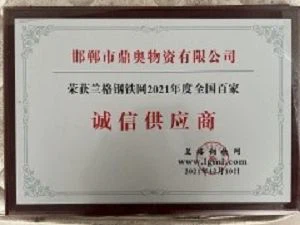
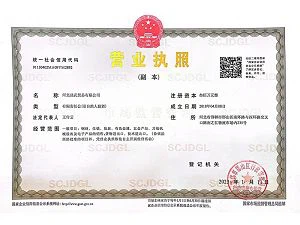
Certifications
Frequently Asked Questions
Q: What do you mean by structure steel?
A: Structural steel is a category of steel used for making construction materials in a variety of shapes. Many structural steel shapes take the form of an elongated beam having a profile of a specific cross section.
Q: What steel is used in structures?
A: Mild steel, also known as MS, is the most commonly used steel in the construction industry. It's incredibly strong and durable. Mild steel helps to create a solid foundation for any type of structure. Mild steel is advantageous in construction because of its strength.
Q: How is structural steel different from steel?
A: Unlike cold-formed steel, structural steel is a heavy-gauge material that which can be used for a greater range of building heights. There is no limit on building height thanks to structural steel's load-carrying capacity. Many of the tallest buildings in the world use structural steel framing.
Q: Is structural steel the same as steel?
A: Generally, structural steel is a carbon steel, meaning its chemical composition contains iron and carbon. Structural steel is any steel with a carbon content that reaches up to 2.1% of its weight. The carbon content of steel is directly proportional to its yield strength.
Q: What grade is structural steel?
A: With their relatively high tensile points, ductility and presence of alloys that increase strength and machinability, A36 and A572 are two structural steel grades typically used in building construction.
Q: Is rebar a structural steel?
A: Reinforcement steel and structural steel are two types of steel that are used in construction. However, they have different purposes and properties. Reinforcement steel, also known as rebar, is used to reinforce concrete structures. It is typically made of high-carbon steel and has a high tensile strength.
Q: How is structural steel made?
A: In order to manufacture structural steel, iron is heated up and then manganese is added to it to achieve the perfect strength to weight ratio.
Q: What is the main advantage of structural steel?
A: Steel is highly tensile, meaning it can withstand significant impacts without breaking. Because it's resistant to mould and termites, structural steel is a preferred material for residential construction. It's also resistant to corrosion.
Q: How thick is structural steel?
A: For the primary members of the structural frame, all steel used shall be at least one-fifth of an inch thick for interior work; all steel in the exterior walls of a structure except lintels spanning an opening of less than eight (8) feet shall be at least 0.20 inches in thickness when protected as required in sections C26-611.0 to 615.0, inclusive, and at least one-quarter of an inch thick when not so protected.
Q: Can stainless steel be structural steel?
A: Stainless steel is a highly versatile material, possessing a unique selection of properties that can be exploited in structural (load-bearing) applications. Sheet, plate, bar and tubular products are all widely available in austenitic and duplex grades of stainless steel.
Q: How does structural steel work?
A: The erection of structural steelwork consists of the assembly of steel components into a frame on site. The processes involve lifting and placing components into position, then connecting them together. Generally this is achieved through bolting but sometimes site welding is used.
Q: What is the best steel for structures?
A: Carbon steel's strength and durability make it an excellent choice for structural applications, such as building frames and bridges. Its high tensile strength and low cost make it a popular choice for manufacturing applications.
Q: What are the advantages and disadvantages of structural steel?
A: The use of steel in construction offers numerous advantages such as durability, flexibility, and eco-friendliness, but it also comes with challenges like corrosion and higher initial costs.
Q: What is the strongest grade of steel?
A: High carbon steel is also known as "carbon tool steel," the strongest carbon steel out there you can buy is also, as expected, the most inflexible. High carbon steel has more carbon than the other two types (between 0.60% and 1.4%), yet it too can accept alloys in order to change its properties.
Q: How long does structural steel last?
A: Steel is quite durable and can withstand a hurricane's force, rendering it the best option for your construction. If it is well taken care of, it is likely to outlive you. If you are dedicated to taking care of your steel building, it can last for over 50 years.
Q: Is structural steel stronger than concrete?
A: Steel trumps concrete because of the strength-to-weight ratio. As mentioned before, it has the highest ratio of all construction materials and is therefore significantly stronger than concrete. Adding to its strength is steel's ductility and flexibility.
We're professional structure steel manufacturers in China, specialized in providing high quality customized service. We warmly welcome you to wholesale discount structure steel from our factory. Quality products and low price are available.
Structural Steel Boiler Plate, Steel Coil, Sturcture Steel