


Classification: Cold Drawn / Hot Rolled
Specification: 6*10mm~60*100mm / 6*6mm~100*100mm
Origin: China
Transport Package: Standard Export Package or Customized
Simple Shape
Why Choose Us?
Establish in 2018, Hebei Dingwu Trading Co, Ltd is located in Handan Zhijiang Steel market. We are one of the biggest steel product suppliers in Handan. Our usual inventory is about 10,000 tons. We specialize in producing Angel Steel, Round Steel Q235B, Square Steel, and other Simple Shape.
Wide Product Range
Our main products are carbon steel plate, pressure vessel steel plate, boiler steel plate, checkered plate, corten steel plate, low temperature resistant low alloy plate, bridge plate, etc.
Quality Assurance
Our company have passed the dual guarantee of ISO9001:2000 quality management system certification and ISO14001:2004 quality management system certification.
Products Sell Well
We have good sales markets in North America, South America, Europe, Southeast Asia, the Middle East, Africa and other regions.
Quick Response
Our commitment is to respond to your inquiries within 24 hours, ensuring that you receive the information and support you require in a timely manner.
-
![Square Steel]()
-
![Round Steel Q235B]() Round Steel Q235BClassification: Hot Rolledread more
Round Steel Q235BClassification: Hot Rolledread more
Specification: Q345 (8mm-20mm 20mm-300mm other / 1-12m / customized)
Origin: China
Transport Package: Standard Export Package or Customized -
![Angel Steel]() Angel SteelClassification: Hot Rolledread more
Angel SteelClassification: Hot Rolledread more
Specification: 3mm-2000mm or Customized
Origin: China
Transport Package: Standard Export Package or Customized


What is Simple Shape Steel
Simple shapes steel is a type of steel that is used for construction purposes, and this type of steel is available in a variety of shapes. Structural steel can vary by shape, size, chemical composition, and mechanical properties, this blog post will outline some of the various structural steels available on the market. If you want to know the specifications and prices of Simple Shape Steel, please contact us!
Advantage of Simple Shape Steel
01/
High Durability and Bearing Capacity
Steel has high tensile and compression bearing. It will guarantee the project's stability and durability when used in construction. The homogeneous structure of the steel is another factor in its high reliability. Steel is also a flexible, elastic material that resists deformation.
02/
Lightweight
Compared to structures made of concrete, wood, stone or other materials, the weight of steel structures is considered the lightest. Engineers will evaluate the lightweight qualities of steel using the ratio between its specific gravity and its calculated strength, also known as the C-factor.
03/
High Industrialization
The production process of steel materials takes place entirely in metallurgical factories. Meanwhile, the steel structure manufacturing process is mainly concentrated in specialized factories. Therefore, steel structures are suitable for industrialized construction needs.
Flexibility when transporting and assembling: Due to its lightweight and high rigidity, transportation and erection take place exceptionally easily and quickly. At the same time, when necessary, the disassembly, replacement, and repair process also becomes simpler, making it easier to expand construction at any time.
04/
Water and gas Imperviousness
Compared to other materials, steel structural materials and connections are closed and impermeable to water and gas. Thanks to this property, steel is used to build gas and liquid storage tanks.
05/
Cost Saving
Flexibility, ease of processing and assembly and good load-bearing capacity of steel structures help reduce labor, construction and maintenance costs during operation.
06/
Construction Time Saving
Thanks to the easy machining process and quick assembly from the factory, steel structures have the ability to be constructed quickly, flexibly adapt to changes and be done at the same time.
Type of Simple Shape Steel


Structural Steel Angles
Structural steel angles is a hot rolled product with an L-shaped cross-section that's appropriate for a number of applications. A standard structural angle is 90 degrees and is measured by the length of the legs as well as the leg thickness.
L-shapes:L-shapes are produced with both equal and unequal leg lengths. When notating unequal leg angles in measurement, the longer leg is always first, and thickness last. All measurements are always taken from the outside.
Applications include structural reinforcement, framework, shelving, and repair.
Structural Steel Tubing:Hollow structural section (HSS) refers to high-strength welded steel tubing. Sometimes referred to as hollow steel sections, they are produced in round, square, and rectangular shapes that support multidirectional load bearing. As the name suggests, regardless of shape, the mid-sections are hollow.
Tubes are a hollow steel shape that can be further distinguished as either mechanical or structural tubing. Mechanical tubing is used in low-stress applications and is characterized by a thinner wall. Structural tubing is designed for high-stress structural applications in bridges, buildings, roll cages, and underwater platforms. The walls are thicker and stronger.
Pipes are another hollow structure that is intended to carry liquids, gasses, or even solids. Its wall thickness is described by its schedule, which is a system created by the American Standards Association.
Structural Steel Beams
Stuctural steel beams are the basis of support. The basic design is built to handle a maximum bending load with minimum material.
Beams have a flat top and bottom, called flanges (sometimes, legs). Often these flanges taper. The vertical section of the beam is called the web. The web is built to resist blunt force, while flanges resist bending. The angle which connects the web to the flanges is called the fillet.
Beams are identified by their depth, which is the distance from the top to the bottom; flange width, which is the length of the horizontal flanges; flange thickness; and web thickness.
I-beams:S Beams are designed to offer superior strength with wider flanges that have a slope on the inside surface. They are used in home and building construction, truck bed frames, hoists, lifts, and more.
T-beams:T-beams have a T-shape, like the universal beam but without a bottom flange. T-beams are best for reinforcement, as they do not resist bending to bear equal weight as well as the I-beam.
Bearing Piles:Bearing piles are similar to I-beams in that they have the same shape. However, bearing piles have uniform thickness across all sections. They are primarily used to support vertical loads.
H-piles:H-piles have the same I-shape but are often placed in the ground to provide deep foundation support for superstructures.
Structural Steel Channels
Structural channels are a hot-rolled product with a C-shaped cross-section with various construction and manufacturing applications. They are identified by channel depth, the distance from top to bottom; leg height; leg thickness; and web thickness.
C-channels:C-channels have a slight slope on the inner flange surface. They are not typically applied as primary load-bearing beams. Rather, they provide a great amount of structural support, most useful as frames and for bracing.
Structural Steel Plates
Plates are flat and are produced in a variety of thicknesses to meet construction needs where durability and weight-savings is necessary. Structural steel is usually welded to build the framework for buildings and bridges. Structural steel welders will cut and restore metal beams, columns, and girders.
Important Applications for Square Steel
Brewing
Breweries use stainless steel vats to contain their product. These vats are often reinforced by steel square bars, which are normally cold-rolled. Their strength allows them to support an enormous amount of weight.
Fencing & Gates
Steel fencing offers a means by which homeowners can protect their property, while also providing an unobstructed view beyond their land. Square steel fencing and gates are both sturdy and aesthetically pleasing.
Furniture
As steel bars are easily welded and bent, their flexibility makes them work well for a varied range of furniture. It's often used for making legs for benches, chairs, tables, and stools. As such, square steel bars serve as a strong and attractive option for modern furniture.
General Manufacturing
When it comes to manufacturing, steel bars offer numerous advantages. The versatility and strength of steel square bars make them perfect for making metal components like bolts, fasteners, nuts and screws. Machinery that utilizes these steel parts helps them resist cold and carry heavy loads.
Grills
While metal sheets, known as expanded metal, are used for building grills, they also require a frame. When welded to the expanded metal, square bars protect the grill so that it doesn't fray, due to their ability to withstand a fire's heat and immense tensile strength.
Protective Barriers
Hot-rolled steel square bars are easily molded and can be molded into just about any shape, so are perfect for fabricating protective barriers. For example, they are used for burglar bars to keep intruders out and also can be formed into cages to keep equipment safe.
Railings
Railings made from stainless-steel square bars appear in modern architecture and are often utilized by today's interior designers. Not only does stainless steel make tiled or wood stairs and landings look sleek, but it also does so less expensively than other options.
Applications of Stainless Round Steel
Construction
Stainless steel bars are commonly used in the construction industry for various purposes, such as reinforcing concrete structures, providing roofing support, and framing structures for buildings and bridges. The round bars are also used as dowel bars to join concrete and support pavements, highways, and bridges.
Manufacturing
Industries such as automotive, aerospace, and marine rely heavily on stainless steel round bars for their strength, durability, and ability to perform in harsh environmental conditions. The round bars manufacture engines, transmissions, exhaust systems, and more components.
Food and Beverage
The food and beverage industry also uses stainless steel rods to maintain a clean and hygienic environment. The round bars are used to manufacture equipment such as mixing tanks, storage tanks, and piping systems. Stainless steel's resistance to corrosion also makes it ideal for processing acidic foods and beverages.
Medical
Stainless steel round bars are commonly used in the medical industry for their ability to withstand sterilization, corrosion resistance, and strength. The round bars are used for manufacturing surgical instruments such as forceps, scissors, and tweezers. Stainless steel is also used for implants such as bone screws and dental implants due to its ability to integrate with the body.
Energy
The energy industry also relies heavily on stainless steel round bars for their resistance to corrosion and ability to withstand extreme temperatures. The round bars manufacture heat exchangers, boilers, and condensers.
How to choose Simple Shape Steel
Selection of Building Length and Width
The principle of having the length greater than the width should be applied when arranging the column grid. This helps in reducing the amount of steel needed for the rigid frame and also decreases the wind load on the supports between the columns, thereby reducing the steel usage for the support system.
Selection of Column Spacing in Steel Buildings
Comparison of technical standards indicates that the most economical column spacing under standard conditions is 8-9 meters. When it exceeds 9 meters, the steel consumption for the roof purlin and wall frame system increases significantly, resulting in uneconomical costs. The standard in question considers a roof live load of 0.3 kN/m^2 and a basic wind pressure of 0.5 kN/m^2. For workshops with cranes exceeding 10 tons, the optimal operational distance should be 6-7 meters.
When arranging column spacing, if unequal spacing is required, the end span should be kept as small as possible compared to the middle span. This is because end spans experience larger wind loads than middle spans. Additionally, when using continuous purlin design, end spans exhibit greater deflection and mid-span bending distances, making the roof purlin design more convenient and economical when more end spans are utilized.
Determination of Reasonable Span in Steel Construction
Different production processes and usage functions determine whether plant spans should be implemented. Some owners require light steel manufacturers to determine economic spans based on their specific usage functions. A reasonable span should be determined according to the building's height. Generally, when the column height is fixed, increasing the span appropriately doesn't significantly increase the steel consumption of the rigid frame but saves space, reduces basic costs, and yields considerable overall benefits. Extensive calculations have shown that with an eaves height of 6 meters and a column spacing of 7.5 meters, the unit steel consumption (Q345-B) for rigid frames with spans between 18-30 meters is 10-15 kg/m^2. For spans between 21-48 meters, the steel consumption per unit is 12-24 kg/m^2. For eaves heights of 12 meters and spans exceeding 48 meters, a multi-span rigid frame (with a swinging column designed in the middle) should be used to save more than 40% of steel. Therefore, when designing portal frames, it's advisable to select multiple economic spans according to specific requirements rather than blindly pursuing a large span.
Choice of Roof Slope in Steel Structures
The roof slope should be determined based on comprehensive factors such as roof panel structure, drainage slope length, and column structure height, generally ranging from 1/10 to 1/30. Studies have shown that different roof slopes affect the amount of steel used in the rigid frame.
How is Stainless Steel Different From Structural Steel?
Materials
What are both kinds of steel made of – and what are they used for as materials themselves? Both structural steel and stainless steel are made of different elements. Although the foundation is the same – iron – traditional steel is combined with carbon. According to PEDIAA, the amount of carbon added to traditional steel is less than 1.5%. Stainless steel is often combined with chromium, sometimes nickel, and also titanium for surgical grade steel.
And since steel itself is a material, it's used to build things. Traditional steel makes up beams for high rises and other structures. Stainless steel is used for cutlery, medical materials, and of course, it can be used for DNPE's name, data, and logo plates.
Strength & Hardness
While both structural and stainless steel are made to be strong, structural steel is hardier due to the higher iron content. They're both high scorers on the MOH's rock and metal hardness scale. However, stainless steel is slightly weaker and more malleable when it's at room temperature.
Ductility
What's ductility? Per ScienceDirect.com, it's "the ability of a material to be drawn or plastically deformed without fracture. It is therefore an indication of how 'soft' or malleable the material is. The ductility of steels varies depending on the types and levels of alloying elements present." It's different from hardness; hardness refers to whether the surface of the metal can be punctured or scratched. Ductility is more about bendability, and here, stainless steel often wins thanks to the addition of nickel, which is a very ductile metal.
Cost
Since stainless steel often contains more costly alloy materials, and is more involved to produce. Therefore, stainless steel can have a higher price tag. However, like with anything, you get what you pay for. Traditional carbon steel rusts easily, so the investment into stainless steel, especially for a moist, rust-prone environment, is worth the investment and essential for safety and cleanliness in some environments.
Magnetism
Did you know that stainless steel usually can't be picked up or repelled by a magnet? Some grades of stainless steel can, but due to the high nickel content of some stainless-steel grades, not all of them can be picked up by a magnet.
Temperature
Both structural and stainless steel have different melting points. Stainless steel's melting point tends to be lower than structural steel's according to Industrial Metal Supply, but they overlap.
Certifications
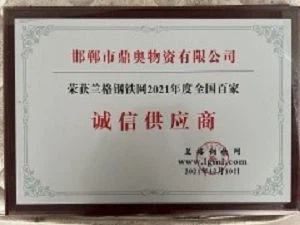
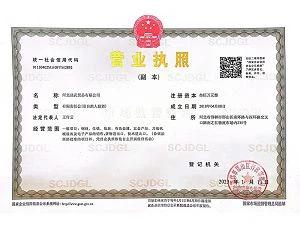
Frequently Asked Questions
Q: What is structural steel and its types?
A: The different types of structural steel can be classified according to their type, uses, and design. In this list, you've encountered six of the most common ones, namely flat bars, circular hollow sections, tubular hollow sections, angled sections, tapered flange beams, and parallel flange channels.
Q: What material is structural steel?
A: What is structural steel? Structural steel is a versatile type of carbon steel. By weight, structural steel has a carbon content up to 2.1%. American Society for Testing and Materials, ASTM International, sets standards for composition and dimensional tolerances for all structural steel grades.
Q: How is structural steel different from steel?
A: Unlike cold-formed steel, structural steel is a heavy-gauge material that which can be used for a greater range of building heights. There is no limit on building height thanks to structural steel's load-carrying capacity. Many of the tallest buildings in the world use structural steel framing.
Q: Is rebar a structural steel?
A: Reinforcement steel and structural steel are two types of steel that are used in construction. However, they have different purposes and properties. Reinforcement steel, also known as rebar, is used to reinforce concrete structures. It is typically made of high-carbon steel and has a high tensile strength.
Q: What is structural steel used for?
A: Some of the most common uses of structural steel include the following: agriculture, bridge construction, warehousing, parking spaces, and high-rise building development. Steel is a practical material because of many of its desirable properties.
Q: Is structural steel same as stainless steel?
A: While both structural and stainless steel are made to be strong, structural steel is hardier due to the higher iron content. They're both high scorers on the MOH's rock and metal hardness scale. However, stainless steel is slightly weaker and more malleable when it's at room temperature.
Q: What is the main advantage of structural steel?
A: A steel structure is intrinsically lighter than an equivalent concrete structure due to the higher strength and stiffness of steel. With lightness comes reduced load on foundations, hence smaller foundations and an ability to perform better for some ground conditions.
Q: Can stainless steel be structural steel?
A: Stainless steel is a highly versatile material, possessing a unique selection of properties that can be exploited in structural (load-bearing) applications. Sheet, plate, bar and tubular products are all widely available in austenitic and duplex grades of stainless steel.
Q: Which grade is better in steel?
A: Most stainless steel ordered around the world is Grade 304. It offers the standard corrosion resistance, formability, strength, and easy maintenance for which stainless is known. While 316 comes in second in terms of quantities sold, it offers vastly superior corrosion resistance to chlorides and acids.
Q: What is the difference between structural steel and RCC steel?
A: RCC structure has less tensile strength than Steel Structure. Steel structure has more tensile strength than RCC structure. Reinforced concrete framed structure is less resistant to Earthquake and Wind. Steel framed structure is more resistant to Earthquake and Wind.
Q: What is the most widely used structural steel in the Philippines?
A: Steel grades: The allowable steel grades for structural steel components in the Philippines are typically specified in the Philippine National Standard for Steel Structures (PNS 49). For example, common structural steel grades include ASTM A36, ASTM A572 Grade 50, and ASTM A992.
Q: Is steel structure expensive?
A: Steel structure is more economic. Steel materials can be recycled, so its price is lower than other materials. What's more, compared with concrete, lighter weight, easy fabrication, convenient transportation and easy installation, save a lot of time cost and labor cost.
Q: Is structural steel stronger than concrete?
A: However, steel trumps concrete because of the strength-to-weight ratio. As mentioned before, it has the highest ratio of all construction materials and is therefore significantly stronger than concrete. Adding to its strength is steel's ductility and flexibility.
Q: How long does structural steel last?
A: Steel is quite durable and can withstand a hurricane's force, rendering it the best option for your construction. If it is well taken care of, it is likely to outlive you. If you are dedicated to taking care of your steel building, it can last for over 50 years.
Q: Is structural steel the same as rebar?
A: These two principle types of steel contain particular physical properties that make them ideal for specific purposes. Structural steel beams are used primarily for shaping the edges of structures, while reinforcement steel bars vary as they're used alongside concrete and masonry to strengthen it.
Q: What grade steel is structural steel?
A: With their relatively high tensile points, ductility and presence of alloys that increase strength and machinability, A36 and A572 are two structural steel grades typically used in building construction.
We're professional simple shape manufacturers in China, specialized in providing high quality customized service. We warmly welcome you to wholesale discount simple shape from our factory. Quality products and low price are available.
Pressure Plate Construction, Q235B Carbon Steel Coil, Low Alloy High Strength Plate S355JR