


Shape: Checkered Plate
Material: Q195, Q215, Q235, SS400, A36, etc.
Technique: Cold rolled or hot rolled
Type of Steel: High-Strength Steel
Checkered Plate
Why Choose Us?
Establish in 2018, Hebei Dingwu Trading Co, Ltd is located in Handan Zhijiang Steel market. We are one of the biggest steel product suppliers in Handan. Our usual inventory is about 10,000 tons. We specialize in producing Checkered Plate Dimensions, Checkered Plate Thickness, Galvanized Checkered Plate, Checkered Plate ASTM A36, Diamond Steel Plate, and other Galvanized Coil.
Wide Product Range
Our main products are carbon steel plate, pressure vessel steel plate, boiler steel plate, checkered plate, corten steel plate, low temperature resistant low alloy plate, bridge plate, etc.
Quality Assurance
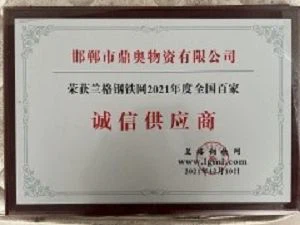
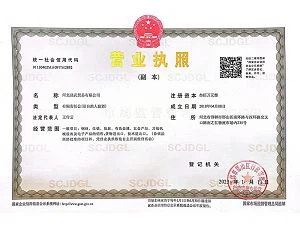
Our company have passed the dual guarantee of ISO9001:2000 quality management system certification and ISO14001:2004 quality management system certification.
Products Sell Well
We have good sales markets in North America, South America, Europe, Southeast Asia, the Middle East, Africa and other regions.
Quick Response
Our commitment is to respond to your inquiries within 24 hours, ensuring that you receive the information and support you require in a timely manner.
-
![Diamond Steel Plate]()
-
![MS Checkered Plate]() MS Checkered PlateShape: Checkered Plateread more
MS Checkered PlateShape: Checkered Plateread more
Material: Q195, Q215, Q235, SS400, A36, etc.
Technique: Cold rolled or hot rolled
Type of Steel: High-Strength Steel -
![Checkered Plate ASTM A36]() Checkered Plate ASTM A36Length: 0.5-12 meters depend on requirementread more
Checkered Plate ASTM A36Length: 0.5-12 meters depend on requirementread more
Material Grade: SPHC, Q235B, SS400, A36, S235JR
Standard: AISI / ASTM / JIS / GB / DIN / EN
Surface: ASH black, painted, galvanized -
![HQ235B Checkered Plate]() HQ235B Checkered PlateThickness: 2mm-8mmread more
HQ235B Checkered PlateThickness: 2mm-8mmread more
Length: 2m-12m or according to customer's special request
Width: 600mm-1800mm
Tolerance: Thickness: +/-0.02mm, Width: +/-2mm -
![Galvanized Checkered Plate]() Galvanized Checkered PlateStandard: AISI, ASTM, DIN, JIS, GB, JIS, SUS, EN, etc. A36 A285 A512 A514 A516 A572 A588 A709read more
Galvanized Checkered PlateStandard: AISI, ASTM, DIN, JIS, GB, JIS, SUS, EN, etc. A36 A285 A512 A514 A516 A572 A588 A709read more
Length: As required
Width: 3mm-2000mm or as required
Thickness: 0.1mm-300mm or as... -
![Checkered Plate Thickness]() Checkered Plate ThicknessShape: Checkered Plateread more
Checkered Plate ThicknessShape: Checkered Plateread more
Material: Q195, Q215, Q235, SS400, A36, etc.
Technique: Cold rolled or hot rolled
Type of Steel: High-Strength Steel -
![Checkered Plate Dimensions]() Checkered Plate DimensionsThickness: 2-8mmread more
Checkered Plate DimensionsThickness: 2-8mmread more
Length: 2m-12m or as your requirements
Width: 600mm-1800mm
Tolerance: Thickness: +/-0.02mm, Width: +/-2mm


What is Checkered Plate
Checker plate, tread plate or durbar floor plate is the term given to sheet metal that has distinctive raised marks on the surface. Chequer Plate Direct specialise in '5 Bar Tread' which is a pattern consisting of 5 raised bars arranged in an alternating pattern. If you want to know the specifications and prices of Checkered Plate, please contact us!
Advantage of Checkered Plate
LOffers Increased Traction
Checkered steel plates are also known as tread plates or diamond plates. They have a raised pattern on the surface. This pattern is not only there for aesthetics but for a specific function: increasing surface traction.
Checkered plates are useful for instances wherein you need extra slip-resistance. It can be utilized in industrial warehouses, truck tool boxes, and loading docks. It can also be used for rustic industrial style homes for added texture.
Normally, walking on a smooth metal surface poses danger. It can lead to accidents, especially if the surface is wet. With a checkered plate, you increase safety as the pattern is designed to reduce the risk of slips. If you're looking for a durable surface that's slip-resistant with a lot of traction, this material is for you.
Has a Varying Degree of Uses
Typically you will find diamond plates used in various safety-related flooring and surfaces due to their aforementioned slip-resistant surface. Checkered plates are diverse and can be used for industrial walkways to create stairs and ramps with significantly less slipping. One of the most common examples is an outdoor fire exit. Usage of the checkered plate for this purpose can prevent the fire exit steps from becoming too slick to use due to rain.
Another commonality for the checkered plate is its usage for pickup trucks and trailers. Most people that use a pickup truck often step in and out of the truck bed. Without a good checkered plate, the pickup truck bed can become a den of accidents. The checkered plate is used as an accent on the truck bumpers and truck beds to prevent skidding when stepping on and off of the vehicle. This applies to trailers as well. The extra traction will reduce skidding, especially if materials are being loaded on and off the truck or trailer.
Whether you choose from aluminum or steel checkered plates, each can produce a unique finish that can be appealing to your aesthetic. Many interior designers and architects can attest to the unique appearance of the checkered plate. It's often used to create an industrial-style architectural look. When used at home these plates can be used for stairs, backsplashes, accent walls, tabletops, and other similar interior design components.
Cheaper Than Regular Steel Plates
When it comes to investing in materials for your project, it's always a good idea to have a relatively affordable option. Going for something dirt cheap may seem like a good strategy but the quality you get may not be up to industry standard. Checkered plates have durability and economic advantages over a regular steel plate. Processing steel plates is more expensive than checkered steel.
To make a standard steel plate, the material has to pass through a series of large rollers to achieve the desired thickness. This can take a lot of time and effort to produce. Similarly, the checkered plate is made the same way with one difference. The last roller is used to emboss the pattern directly on to the plate. It will only emboss one side as the rollers are set up this way.
Some steel plates fresh off the rollers are more expensive depending on the supplier you approach. It's important to find one that can offer you a good but quality deal. It's also a good idea to see if they have special coatings available for the checkered plates to further increase its durability and slip-resistance.
Application of Checkered Plate
Corner Guard for Walls
Doors are typically made out of wood material. Over time, however, they may eventually chip off, especially due to the material's natural wear and tear. This can also affect the quality of the wood framing which encloses the entire door.
For example, you may experience instances where the wooden door is unable to close due to a warping that has taken place in the wood. This may be due to moisture, or the door hinges loosening up over time because of extensive use. As such, checkered steel plates make the perfect corner guard between your wall and the edges of doors. The material can be shaped to form a thin and lightweight protection which still offers maximum durability.
You no longer have to worry about damaging your walls or distorting their shape, through the use of steel corner guards. Especially if the material is galvanized, you can ensure that it won't experience any kind of rust of weathering.
Parking Flooring
Car parking systems are predominantly constructed with concrete material. While this traditional method of constructing parking spaces is still being used nowadays, there is nothing more practical and cost-effective than using steel checkered plates as garage flooring.
The best thing about checkered plates is that they can be machined into a variety of sizes and dimensions, depending on the need. Floors in commercial and retail spaces would benefit more from these patterned steel plates because they can easily be installed in sections, without much time consumption.
Unlike concrete, which needs to be protected with waterproofing protection, checkered plates can be used on their own. They provide ample traction for vehicle wheels – these vehicles would be able to safely navigate the parking space without experiencing any issues. Furthermore, the material is safe on the wheels and produces a low-noise sound which isn't typical of that of epoxy flooring installations.
Elevator Flooring
Not enough can be said about the durability of steel material. Keeping this in mind, checkered steel plates also make the perfect application for elevator flooring installations. These areas typically experience a high level of foot traffic, and these steel plates won't easily be subjected to any kind of warping or damage caused by varying weight pressures.
Checkered plates also offer a glossy finish to any elevator flooring, which increases the appearance of the lifts. Unlike other kinds of elevator flooring, such as wood, checkered steel plates also won't be able to lose their shape. Cumbersome materials can easily be ingressed, or egressed from the elevator, without having any problems regarding the quality of the floor. This makes the material much less costlier to maintain and safer to work with, especially in the event that the elevator system may be in need of repairs.
Industrial Stairs
Checkered steel plates are more commonly sighted in industrial spaces. As such, they make the perfect material for industrial stairs.
In particular, checkered steel plates are utilized in such spaces as that of a chemical plant, or a factory. In these kinds of areas, safety is the priority of everyone. Chemical plant workers need to wear adequate safety equipment in order to prevent a range of accidents from taking place. This is also to avoid any kind of contamination which may reduce the quality of their health.
Since they're moving about, they need to make sure that they won't just suddenly slip and fall in this kind of area. Alongside the right kind of work boots, checkered steel plates provide a sufficient level of traction for these employees to safely move about the area without exposing themselves to any immediate danger.
Door Kick Plate
On a much smaller scale, checkered steel plates can also be utilized as door kick plates for your home. The most practical use for them would be for swing doors which open in either direction.
Checkered plates protect the lower part of your swing doors from any kind of damage caused by kicking. For example, if you're coming home while carrying a load of groceries in both your hands, you wouldn't always be hands-free to open the door. Swing doors protected with a checkered door kick plate are a convenient way for you to open doors by simply kicking on them, without damaging the door's wood material.
How to Choose Steel Plate
01/
Material Grade and Type
One of the primary considerations when selecting a steel plate is the material grade and type. Steel comes in a wide range of grades, each possessing unique properties suitable for specific applications. Common grades include mild steel, carbon steel, stainless steel, and alloy steel. Determine the required strength, corrosion resistance, and other mechanical properties needed for your project, and then select the appropriate steel grade accordingly.
02/
Strength and Thickness
The strength and thickness of the steel plate are crucial factors in ensuring structural integrity and safety. Higher-strength steel plates offer better load-carrying capacity, making them suitable for heavy-duty applications. However, it's essential to strike a balance between strength and weight, as thicker plates can increase the overall weight of the structure. Perform thorough structural analysis and consult with engineers to determine the optimal thickness and strength requirements for your project.
03/
Corrosion Resistance
Consider the environmental conditions to which the steel plate will be exposed. If your project is located in a corrosive environment, such as coastal areas or industrial sites with chemicals, choosing a steel plate with excellent corrosion resistance is vital to prevent premature degradation. Stainless steel and weathering steel are popular choices for such environments, as they offer superior resistance to corrosion and rust.
04/
Weldability and Fabrication
The ease of welding and fabrication is another crucial factor, especially if your project involves complex shapes or requires customizations. Different steel grades have varying welding characteristics, and some may require preheating or post-welding treatments to maintain the desired properties. Consult with skilled welders and fabricators to ensure the chosen steel plate can be easily worked upon without compromising its structural integrity.
05/
Budget Considerations
While it's essential to select the best quality steel plate for your project, budget constraints may also play a significant role in decision-making. Evaluate the cost of different steel grades and types while considering the long-term benefits of using higher-quality materials. Opting for a slightly more expensive, but more durable steel plate might save costs in maintenance and replacements over the project's lifespan.
06/
Compliance with Standards
Ensure that the chosen steel plate complies with industry standards and certifications. Meeting specific standards, such as ASTM (American Society for Testing and Materials) or ISO (International Organization for Standardization), ensures the steel's quality and performance. Additionally, certifications like ABS (American Bureau of Shipping) or DNV (Det Norske Veritas) may be required for certain projects, especially those involving marine or offshore applications.
Type of Steel Plate


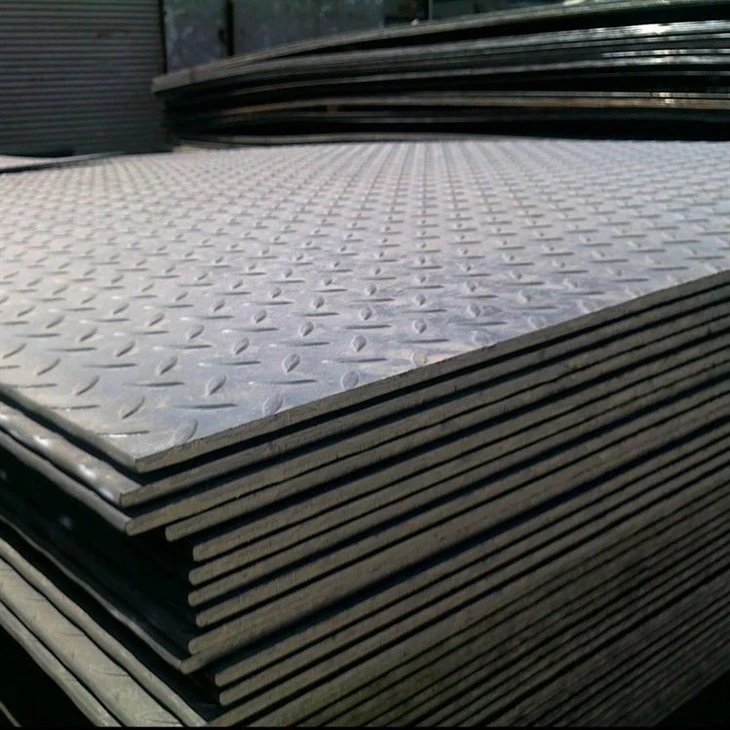

Carbon Structural Steel Plate
Depending on the different carbon content, it can be divided into ordinary carbon structural steel plates and high-quality carbon structural steel plates. They are mainly used in the construction industry. So the quality, durability, and performance of carbon structural steel plates must meet the highest standard. That is to say, the carbon structural steel plate must be corrosion resistant and can withstand the overweight load and pressure.
Free-cutting Carbon Steel Plate
Free-cutting carbon steel plate is a kind of steel plate that adds some elements to make the steel much brittle so that the steel plate is easily broken when cutting. It is beneficial to improve the cutting speed and prolong the life of the cutting tool.
Boiler Steel Plate
Boiler steel plate is one of the key materials in boiler manufacturing. It mainly refers to the hot-rolled medium steel plate used for the manufacture of superheaters, boiler chambers, shells, support hangers, etc. Carbon boiler steel plate often has good welding and cold bending properties, and good resistance to alkaline, corrosion, and oxidation at high temperatures.
Tank Steel Plate
Tanks made with carbon steel tend to be more affordable, wear-resistant, and durable. This makes the tank carbon steel plates have wide applications in industrial, commercial, and residential establishments. They are popular in the building of oil and gas tanks, storage tanks, water tanks, and tanks for storage other all kinds of stuff.
Carbon Shipbuilding Steel Plate
Shipbuilding steel plate refers to the steel plate produced with special structural steel for shipbuilding and used to manufacture the hull structure of ships sailing in ocean, coastal and inland waterways. The common thickness is 2.5-50 mm. It is compatible with high strength, high heat input soldering, and low temperature. According to the minimum yield strength, it is available in general carbon shipbuilding steel plates and high strength carbon shipbuilding steel plates.
Certifications
Frequently Asked Questions
Q: Why do we use checker plates?
A: Their durability makes them ideal for high-traffic areas, while their non-slip tread pattern ensures safety, particularly in areas like kitchens and workshops. Furthermore, aluminium checker plates are easy to clean and maintain, which is a bonus for spaces that see a lot of traffic.
Q: What is the difference between diamond plate and checkered plate?
A: There is really no difference between diamond plate, tread plate, and checker plate other than the name. For the most part, these names can be used interchangeably. All three names refer to the same shape of metal material.
Q: What are the advantages of chequered plates?
A: One of the main benefits of Stainless Steel Chequered Plates is their superior strength. They are much stronger than their aluminum counterparts and can withstand heavy traffic. In addition, their superior physical and chemical properties make them perfect for corrosive and high-temperature environments.
Q: Is checker plate stronger?
A: Is Checker Plate Stronger Than Flat Steel. While a checker toolbox is no harder or stronger than one made of a flat sheet of metal there are some advantages when it comes to convenience. While a checker plate toolbox looks better it also hides scratches better than a smooth alloy sheet.
Q: Is chequer plate stainless steel?
A: Stainless steel checker plate, also known as treadplate, is used as a non-slip surface in all manner of environments. The combination of hard-wearing steel and a pattern designed to offer grip underfoot make this metal a strong choice for safe flooring.
Q: What are chequered plates made of?
A: Tread plate, also known as checker plate and diamond plate, is a type of metal stock with a regular pattern or lines on one side for slip resistance. The most common alloy used for aluminum tread plate is 6061, although 5086-H34 and 3003-H231 are also used. Diamond plate is usually steel, stainless steel or aluminium.
Q: Is chequered plate weight?
A: It's important to note that the density should be specific to the material of the chequered plate. Different metals or alloys have different densities. And the density of the material is 7850 kg/m³ (assuming it's mild steel).
Q: What grade of steel is chequered plate?
A: 304 and 304L are the most commonly used grades for stainless steel chequered plates as they are less expensive, highly versatile, easily roll-formed or shaped and offer excellent corrosion resistance and weldability, while also maintaining their durability.
Q: Why is diamond plate so expensive?
A: It is expensive than aluminium or carbon steel diamond plates but has greater durability especially where there is greater use of harsh chemicals are a common thing as the food and beverage industry. It is also in high demand due to its aesthetically rich, pleasing looks.
Q: What grade of steel is checker plate?
A: 304 or 304L stainless steel checker plate has the same properties as 304 stainless steel while it has a raised tread pattern to improve traction. 304 or 304L stainless steel checker plate is suitable for trailer beds, ramps, stair treads, or any application where traction is required.
Q: Does checker plate rust?
A: Galvanized checker plate is made from low carbon steel and then zinc coated. One side of the surface is raised, which makes the checker plate with the non-skip feature. The heavy zinc coated can protect the checker plate from rust and corrosion.
Q: What is checker plate made from?
A: Tread plate, also known as checker plate and diamond plate, is a type of metal stock with a regular pattern or lines on one side for slip resistance. The most common alloy used for aluminium tread plate is 6061, although 5086-H34 and 3003-H231 are also used. Diamond plate is usually steel, stainless steel or aluminium.
Q: Can checker plate rust?
A: Diamond plate is created from both steel and aluminum. While steel allows rust and corrosion, aluminum is known for its ability to withstand the elements. If your job site will be encountering moisture often, the aluminum diamond plate's resistance to corrosion cannot be understated.
Q: What is the thickness of a checker plate?
A: Having good forming, drilling and welding ability, Aluminum Diamond Plate is easy to fabricate and its raised diamond lug pattern provides good slip resistance. Standard dimensions: Thickness 2.0-10.0 mm, width and length can be customized cut to suit size.
Q: How do I keep my checker plate shiny?
A: Just spray a sufficient amount of soap and water and wipe it clean. Using warm water for cleaning also helps to remove dust and restore shine. Once the cleaning is done, the next step should be to coat the aluminum sheet with a protective layer. Applying wax on the sheet will help in protecting the shine of the metal.
Q: Is checker plate stronger?
A: Is Checker Plate Stronger Than Flat Steel. While a checker toolbox is no harder or stronger than one made of a flat sheet of metal there are some advantages when it comes to convenience. While a checker plate toolbox looks better it also hides scratches better than a smooth alloy sheet.
We're professional checkered plate manufacturers in China, specialized in providing high quality customized service. We warmly welcome you to wholesale discount checkered plate from our factory. Quality products and low price are available.
Galvanized Checkered Plate, Boiler Plate, Sturcture Steel